The Role of Digital Technology Development and Production in Exporting and Importing
数字技术的发展和生产在出口和进口中扮演着关键角色,它们通过提升效率、优化供应链、减少人为错误和环境影响,显著促进了贸易的高效和可持续,数字化贸易平台、自动化物流系统、智能仓储和数据分析工具等技术,帮助企业在海外市场实现精准销售,同时为国内企业提供了数字化转型的机会,数字技术不仅依赖技术,还依赖市场和组织的协作,为贸易的高效、安全和可持续发展提供了重要保障。
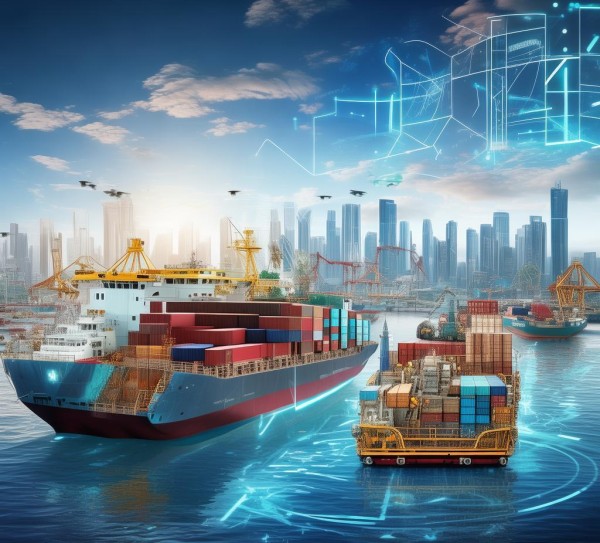
The rapid development of digital technology has significantly transformed the global economy, particularly in the realms of development and production. This article explores how digital innovation is driving advancements in economic growth, influencing trade patterns, and fostering international collaboration. By examining the interplay between digital technology and economic activities, this paper aims to provide insights into the strategic implications of technological advancement for businesses and policymakers alike.
Introduction:
In the modern world, digital technology has become an integral part of economic development. The shift from physical to virtual transactions, from manufacturing to digital services, has been facilitated by advancements in computing, communication, and data processing. As a result, digital technology has not only enhanced efficiency but also opened up new opportunities for innovation and economic growth. However, its impact on global trade and export/import dynamics remains a subject of ongoing discussion and research.
Development of Digital Technology and Its Impact on Development and Production
The rise of digital technology has been accompanied by a corresponding surge in the development of new technologies. These technologies, ranging from artificial intelligence and machine learning to blockchain and the Internet of Things (IoT), have revolutionized industries and provided businesses with powerful tools for innovation. In the context of development and production, digital technology has enabled companies to streamline operations, improve efficiency, and enhance decision-making.
One of the key ways digital technology has transformed development and production is by facilitating innovation. The ability to access advanced technologies has enabled companies to develop unique products and services that cater to the evolving needs of consumers and businesses. For example, digital tools have made it easier for all and medium-sized enterprises (Es) to launch new products, while advanced ytics have provided insights that help businesses optimize their processes and respond to market demands.
Moreover, digital technology has played a significant role in promoting economic growth. By enabling the creation of new industries, transforming existing ones, and driving technological advancements, digital technology has created a virtuous cycle of development. For instance, as new technologies emerge, businesses that adopt them can create new revenue streams, which in turn drive further innovation and economic growth.
Influence of Digital Technology on Exporting and Importing
The export/import of goods and services is a critical component of global trade, and digital technology has significantly influenced how these transactions are conducted. The adoption of digital payment systems has made international trade more efficient and accessible, reducing the reliance on physical currency and making it easier for businesses to transact globally.
Additionally, digital technology has enabled the development of new payment gateways and e-commerce platforms, which have facilitated the movement of goods and services across borders. These platforms have also empowered domestic producers to export their products to international markets, while domestic consumers can easily buy goods from around the world.
However, the digital revolution has also introduced new challenges for exporters and importers. One of the most significant challenges is the increasing complexity of digital trade ecosystems, which involve multiple countries and regions. This complexity has led to the emergence of new barriers, such as currency fluctuations, tax obligations, and regulatory issues, which can impede trade activities.
To address these challenges, exporters and importers must adopt innovative strategies that leverage digital technologies to enhance their operations. For example, digital tools can be used to automate repetitive tasks, improve inventory management, and optimize pricing strategies. Additionally, collaboration between businesses and governments is essential to overcome the barriers posed by digital trade.
Challenges and Solutions in Exporting and Importing
Despite the positive impact of digital technology on global trade, there are challenges that still need to be addressed. One of the main challenges is the increasing level of digital competition in the global market. With the rise of online shopping and e-commerce, businesses are now competing not only domestically but also internationally. This has led to the development of new strategies, such as digital marketing, supply chain management, and innovation transfer, to differentiate themselves in a competitive market.
Another challenge is the increasing dependency on digital trade ecosystems, which may become more integrated with global economic trends. To address this, businesses must adopt digital technologies that are scalable and adaptable to changing market conditions. For instance, digital platforms can be designed to cater to both domestic and international markets, ensuring that businesses can leverage the benefits of digital trade while avoiding the pitfalls of digital competition.
Additionally, the increasing role of international cooperation and collaboration in global trade has become more critical. By working closely with governments, institutions, and international organizations, businesses can navigate the complexities of global trade and develop strategies that are aligned with the interests of all parties involved.
Future Outlook
Looking forward, the role of digital technology in development and production will continue to evolve, driven by technological advancements and changes in consumer preferences. As digital technologies become more integrated into the global economy, the impact of digital innovation on global trade will undoubtedly grow. The future of digital trade is poised to be one of innovation, collaboration, and efficiency, as businesses and policymakers work together to harness the power of digital technologies to drive economic growth and promote global prosperity.
In conclusion, the development of digital technology has had a profound impact on the global economy, particularly in the realms of development and production. By fostering innovation, enhancing efficiency, and reshaping trade patterns, digital technology has enabled businesses to expand their markets, improve their operations, and create new opportunities for economic growth. As the global economy continues to evolve, the role of digital technology will remain central to its development and international collaboration.