智能照明,未来照明的革命性革新之路
智能照明作为未来照明的重要基础,通过物联网(IoT)和大数据技术,实现智能化控制和个性化服务,随着智能照明的广泛应用,未来照明将向智能化、个性化和场景化方向发展,成为家庭、商业空间和城市照明领域的引领力量,智能照明技术将推动照明设备向消费者级智能照明延伸,为家庭、智能家居和城市照明提供更智能、更便捷的解决方案,为城市智能化建设和可持续发展贡献力量。
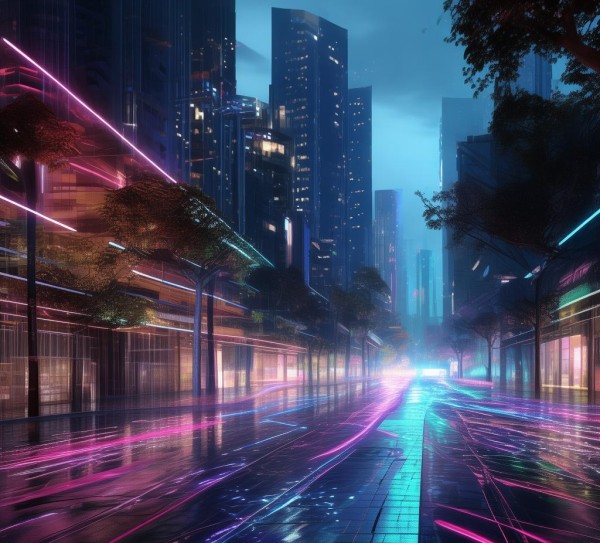
Introduction to Smart Lighting Development
Smart Lighting has emerged as a transformative force in the lighting industry, revolutionizing the way we understand and interact with our surroundings. By integrating advanced technologies, lighting products are now capable of achieving levels of automation and precision that were previously unimaginable. This report explores the key aspects of Smart Lighting development, including its core requirements, technological advancements, design innovations, system integration, and market promotion.
Core Requirements for Smart Lighting Development
The development of Smart Lighting begins with a clear understanding of its core requirements. These include:
- Advanced Control Systems: Smart Lighting products must feature sophisticated control systems that allow them to operate independently or remotely. This can be achieved through mobile app integration, IoT devices, or smart音箱.
- Precision Control Features: The lighting must be capable of adjusting lighting parameters in real-time, based on environmental conditions such as light intensity, temperature, and humidity. This enhances the user experience by providing a more comfortable and energy-efficient照明 setup.
- User-Interactions: The product must support seamless human-interaction features, such as voice commands, touch controls, or mobile app notifications, enabling easy and intuitive use.
- Smart Alerts: Advanced smart lighting systems can trigger alerts based on predefined criteria, such as when the lighting system detects a dimming pattern, or when certain parameters approach their limits. These alerts can be triggered by users or automated through the product's control interface.
Technological Advancements in Smart Lighting
The development of Smart Lighting relies heavily on cutting-edge technologies to achieve its goals. Key technologies include:
- AI (Artificial Intelligence): Smart Lighting products leverage AI to learn user patterns, adapt to environmental changes, and optimize performance. This enables the system to provide personalized and context-aware lighting solutions.
- 物联网 (IoT): The integration of IoT devices allows Smart Lighting systems to communicate with other devices, such as lighting sensors, cameras, and thermostats, enabling real-time monitoring and control.
- Advanced Sensors: State-of-the-art sensors are essential for accurate environmental monitoring. These include light sensors, temperature sensors, humidity sensors, and motion sensors, which provide critical data for the smart lighting system to function effectively.
- Smart Controls: The use of smart controls, such as mobile apps, smart thermostats, and voice-enabled devices, allows for intuitive and user-friendly control of Smart Lighting systems. These controls can also integrate with other technologies for enhanced functionality.
Design Innovations in Smart Lighting
Design is a critical aspect of Smart Lighting development, and it is where the creativity of the product comes into play. Key design elements include:
- Lighting Design: Smart Lighting products feature advanced lighting designs that can be adjusted in real-time. These designs often incorporate AI algorithms that dynamically optimize lighting parameters based on environmental conditions.
- Interactive Interfaces: The product's design must support intuitive and user-friendly interfaces. This can include touch controls, voice commands, and mobile app navigation, allowing users to interact with the product seamlessly.
- Innovative Aesthetics: The exterior design of Smart Lighting products must be both functional and visually appealing. This can include interactive elements, such as remote control buttons, or advanced holographic displays that provide real-time feedback on lighting status.
System Integration: The Complete Solution
The integration of Smart Lighting into a complete lighting system is a multi-faceted process that requires expertise in both technology and design. Key aspects of system integration include:
- Hardware Integration: The product must be compatible with a wide range of hardware components, including lighting sensors, batteries, and charging systems. This ensures that the product can operate in various environments, from urban centers to remote locations.
- Software Integration: The product must be compatible with a wide range of software systems, including mobile apps, smart home devices, and cloud-based platforms. This allows for seamless integration with existing lighting systems and enables the product to be used across a wide range of applications.
- System Control: The product must be capable of controlling a wide range of lighting systems, including other lighting devices, thermostats, and automation systems. This enables the product to work in conjunction with other lighting technologies, creating a holistic lighting solution.
Market Promotion Strategies
Market promotion is a critical component of Smart Lighting development, as it ensures that the product reaches the target audience. Key strategies include:
- Online Promotion: The product can be promoted through e-commerce platforms, social media, and search engines to reach a broad audience. This includes highlighting features such as real-time lighting control, AI-driven algorithms, and smart monitoring.
- Line-Up Stores: The product can be promoted through physical stores, where it can be displayed in high-traffic areas such as electronics, home appliances, and hardware stores. This allows customers to experience the product in a controlled environment.
- Promotions and Discounts: The product can be promoted through sales, promotions, and discounts to attract customers. This can include bundle deals, limited-time offers, and free trials to encourage early adoption.
Conclusion
Smart Lighting has the potential to revolutionize the lighting industry by enabling greater levels of automation, precision, and user interaction. By integrating advanced technologies, innovative design, and comprehensive market promotion, Smart Lighting products can become a key player in the lighting industry, offering consumers a more intelligent, efficient, and comfortable lighting experience. As technology continues to advance, Smart Lighting will play an increasingly important role in shaping the future of lighting technology.